

Our Services
Large & Commercial Water Meter Services
Testing, Maintenance, Repairs, Rebuilds & Replacement for 1.5-Inch Through 12-Inch Water Meters
HST Utility helps utilities and property owners maintain large water meters serving commercial, industrial, institutional, and multifamily properties. Whether you need service on one meter or a planned approach across hundreds of accounts, HST can help evaluate existing equipment, coordinate field work, and complete repairs, rebuilds, or replacements with clear documentation.
Request a Large Meter Service QuoteA Practical Plan for Your Large Meter Population
Large meters can serve accounts with substantial water use. Testing and maintenance help utilities understand meter performance and make informed decisions about where to direct their service budgets.
HST works with your team to identify priorities based on available test results, meter condition, service history, usage patterns, access requirements, and operating needs.
The result is a defined scope of work that can address immediate problems and support a longer-term maintenance or replacement schedule.
Large & Commercial Meter Services
Meter Testing and Performance Evaluation
Evaluate meter performance through testing appropriate to the meter's type, size, installation, and project requirements. HST can help identify meters that need further attention and document results to support maintenance, repair, or replacement decisions. Test procedures and acceptance criteria should be established with the utility using applicable manufacturer guidance and AWWA M6 practices.
Meter Repairs and Rebuilds
Some meters may be candidates for repair or rebuild instead of full replacement. HST evaluates the proposed service scope with your team, considering meter design, condition, parts availability, and the cost of repair compared with replacement. Work may include servicing internal components or replacing compatible measuring elements and registers, followed by verification appropriate to the work performed.
Large Meter Replacement
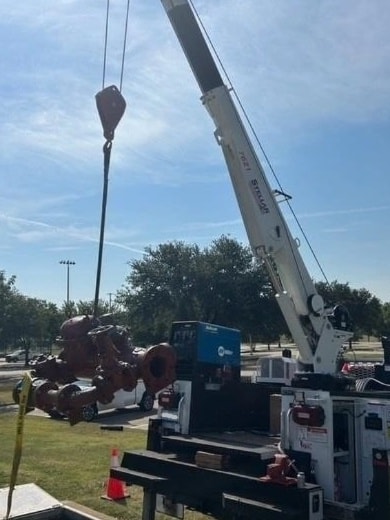
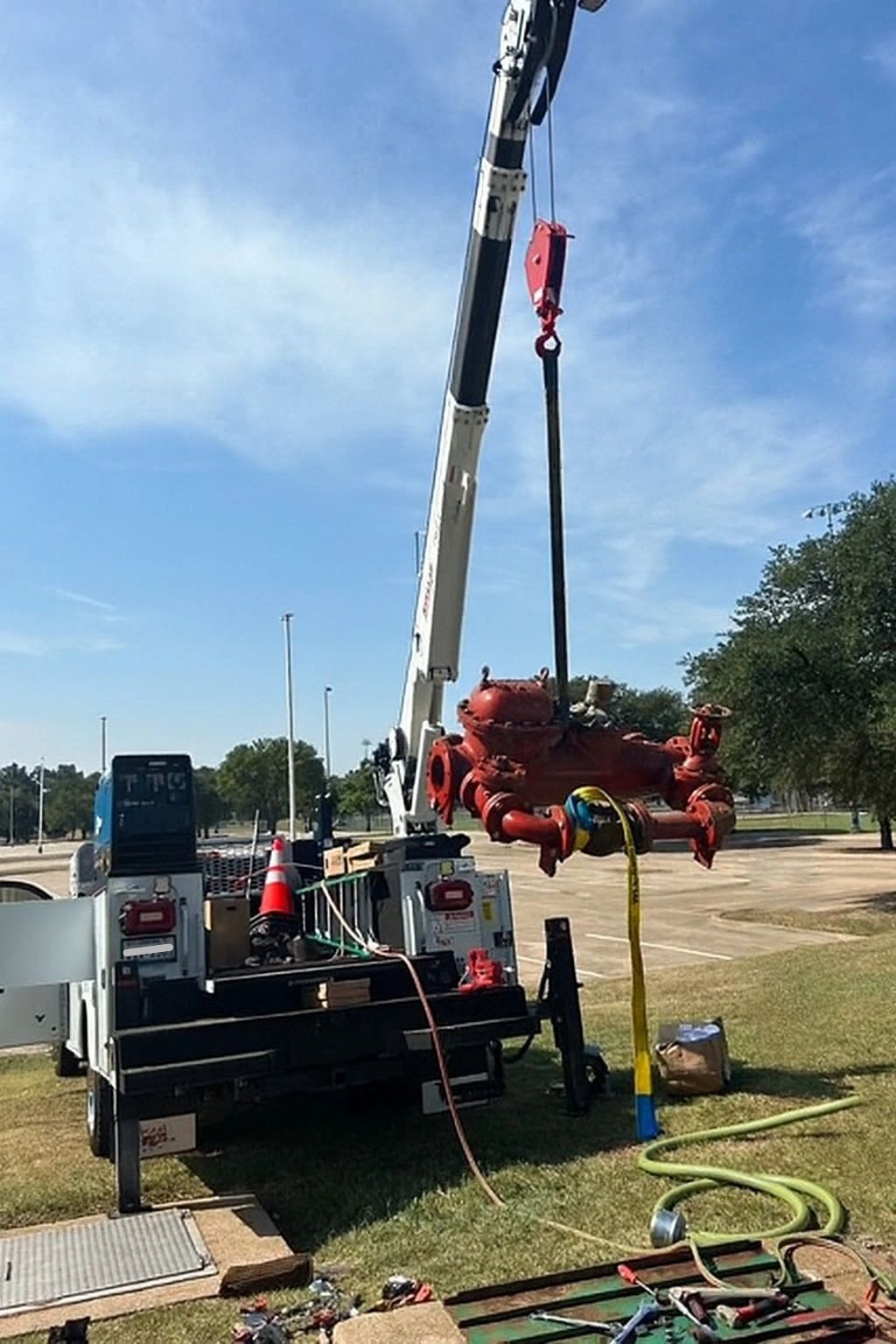
When replacement is the appropriate next step, HST helps coordinate the exchange around the installation's requirements. Planning includes reviewing meter specifications, connections, installation dimensions, access, valve condition, and available bypass arrangements. These details help define the work before the scheduled service interruption.
Register and Endpoint Upgrades
Include compatible register, endpoint, or meter communication equipment upgrades as part of the agreed project scope. Equipment compatibility and utility requirements should be confirmed before installation. Documenting meter and endpoint identifiers supports a clear handoff to the utility's meter reading and account management teams.
Replace a Portion of Your Meters Each Year
You do not have to replace your entire large meter population at once. HST can work with your utility to divide the meter inventory into manageable groups and complete testing, maintenance, or replacement in planned phases.
A phased program can help you:
For example, a utility with 500 large meters might begin with an initial group of 50 selected through an inventory review and agreed priorities. Later phases can be adjusted using field findings, testing results, and budget availability. The appropriate pace depends on the utility's actual needs. Meter age alone does not determine whether replacement is necessary.
For phased replacement across a broader mix of residential and commercial meters, explore our Meter Maintenance program.
Coordinate the Work Around Your Customers
Commercial meter work requires planning around the people and operations that depend on water service. HST coordinates with your designated utility or property contacts to establish access requirements, scheduling responsibilities, and shutdown expectations before work begins.
Planning may include:
Service interruptions depend on the existing installation and scope of work. Any need for uninterrupted service should be identified during planning so available options can be evaluated.
Documentation Your Team Can Use
Agreeing on documentation before field work begins makes the completed work easier to review and manage. Depending on the project scope, records can include:
HST works with your team to establish required fields and the handoff format before the project starts.
How the Process Works
Review the Meter Inventory
Share the available meter list, service history, known concerns, and project goals. Identify whether the initial scope is testing, repair, replacement, or a combination of services.
Establish Priorities and Scope
Select the first group of meters and confirm equipment requirements, site conditions, documentation needs, and scheduling responsibilities.
Coordinate and Complete the Work
Schedule field activities with the designated contacts and complete the authorized service work.
Review Results and Plan the Next Phase
Review completed records, outstanding issues, and recommendations with your team. Use those findings to inform the next phase.
Common Questions
What meter sizes does HST service?
HST works with 1.5-inch through 12-inch meters. Specific service options depend on the meter type, design, and condition.
How do you determine whether a meter should be repaired or replaced?
HST evaluates the proposed scope with your team based on meter design, condition, parts availability, and the cost of repair compared with replacement. The utility's preferences and procurement requirements are part of that discussion.
Can HST handle both testing and replacement in the same project?
Yes. The scope can include both where the utility's procurement rules and project requirements allow. Responsibilities and decision criteria should be established before work begins.
Will customers lose water service during replacement?
Replacement generally requires an interruption unless a suitable bypass or other approved arrangement is available. The expected interruption and any continuity requirements should be discussed during project planning.
Plan Your Next Large Meter Project
Have a group of large or commercial meters that needs attention? Tell HST Utility about your meter sizes, quantities, locations, known issues, and preferred schedule. We will work with your team to define the next step.